The etymology of the name Alghero and the importance of Posidonia for our coasts
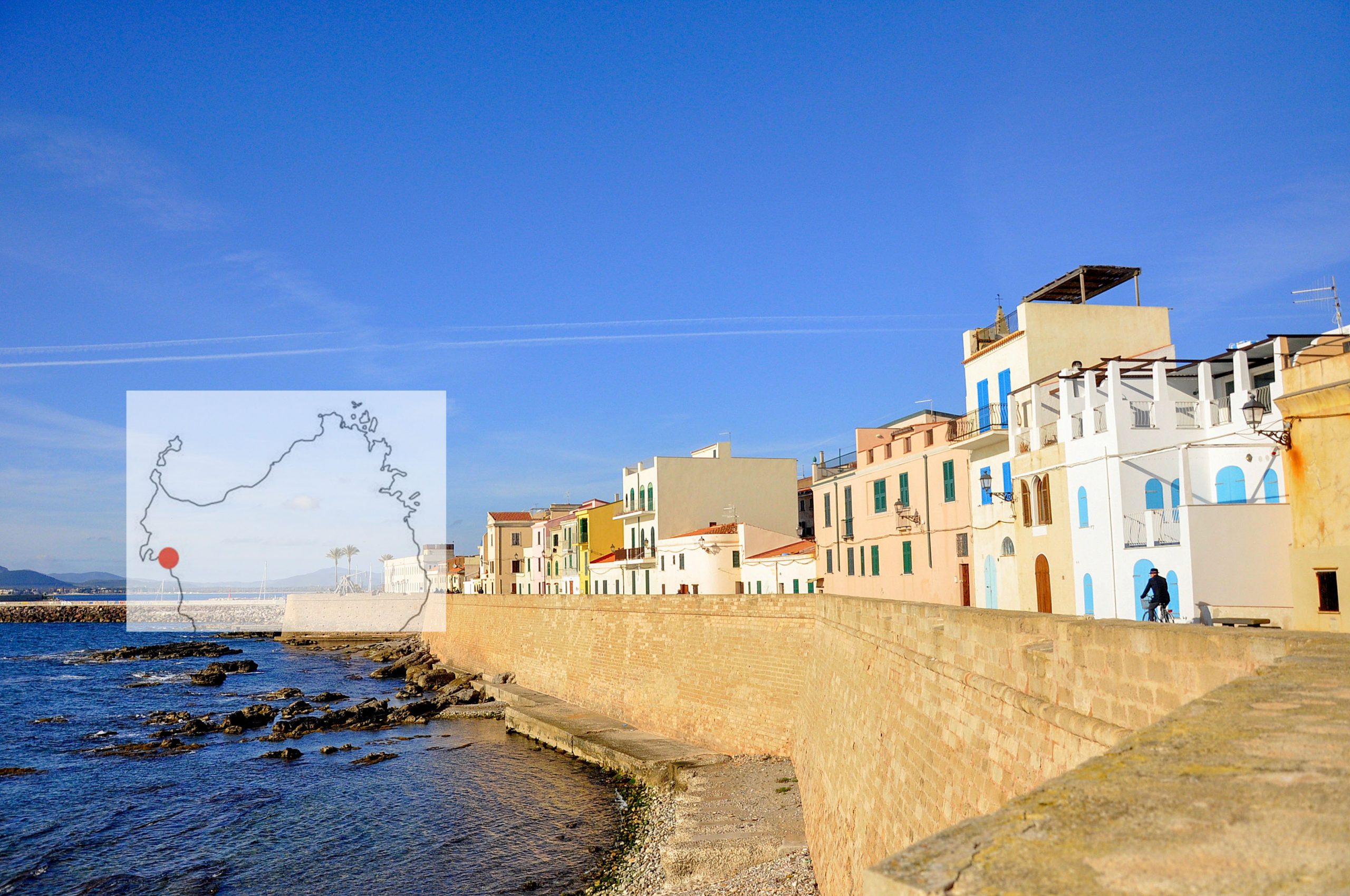
Alghero, a charming town in the northwest of Sardinia, is known for its historical heritage and natural beauty. But there is a lesser-known yet equally fascinating aspect linked to the city’s name and its relationship with the sea: the etymology of the name “Alghero” and the importance of Posidonia oceanica, a marine plant that plays a crucial role in the coastal ecosystem.
The etymology of the name Alghero
The name “Alghero” probably derives from the Latin word Algaria, which itself comes from the term alga, meaning “sea plant.” This refers to the presence, in the waters facing the city, of abundant stretches of marine vegetation, particularly Posidonia oceanica, a marine plant essential for the health of the sea and the coastline.
However, an important clarification is needed: even though it is commonly called an “alga,” Posidonia oceanica is not an alga at all. It is, in fact, a true plant which, like terrestrial plants, performs photosynthesis—only it does so underwater. It has roots, rhizomes, leaves, and even fruits! It is one of the few plants that can live at great depths (I have personally seen it beyond 30 meters), making a significant contribution to the marine ecosystem.
Posidonia oceanica: a vital plant for our coasts
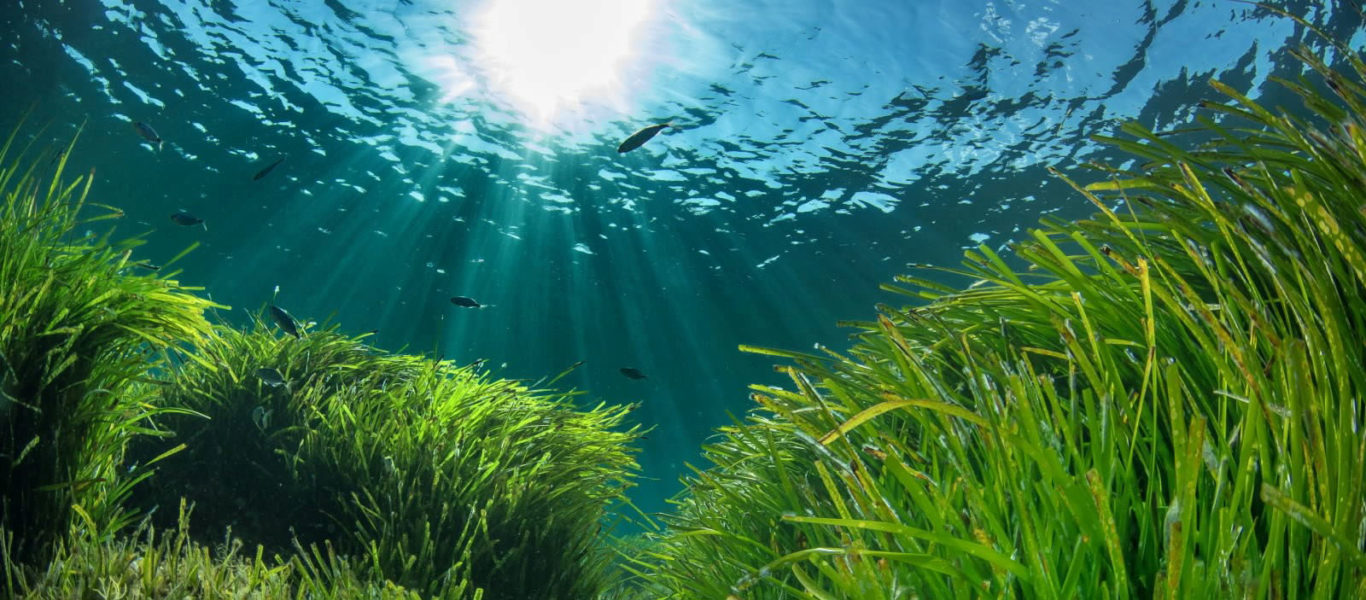
Posidonia oceanica is an endemic plant of the Mediterranean Sea and plays a fundamental ecological role. Its underwater meadows, which stretch along the coasts of Sardinia and other Mediterranean areas, are among the most important and productive ecosystems in the sea. Unlike algae—simple photosynthetic organisms—Posidonia is a true plant with roots, stems, and leaves.
These meadows provide several crucial ecological services:
- Protection against coastal erosion:
Posidonia’s roots anchor the seabed, creating a natural barrier that reduces the impact of waves on the shoreline and prevents coastal erosion. Thanks to its structure, Posidonia meadows act as a sort of natural shield, softening the force of waves, especially during storms. - Promotion of biodiversity:
Posidonia is one of the most important resources for marine fauna. Its meadows host a wide variety of marine species, providing shelter and food for fish, invertebrates, and many other organisms. The plant’s structure forms a true “underwater forest,” an ideal habitat for many species and a key contributor to marine biodiversity. - Water purification:
Like all plants, Posidonia performs photosynthesis, improving water quality by absorbing carbon and releasing oxygen. This process enhances the health of marine waters and supports marine life. - Carbon capture:
Posidonia also plays an important role in combating climate change. Its capacity to capture and store carbon in the seabed helps reduce CO₂ in the atmosphere, making Posidonia meadows a key ecosystem in the fight against global warming.
The threats to Posidonia and the need for protection

Despite its ecological importance, Posidonia oceanica is a vulnerable ecosystem. Increasing coastal urbanization, marine pollution, and uncontrolled tourism threaten the survival of these underwater meadows. In Sardinia, as in many other Mediterranean regions, it is essential to protect this plant in order to safeguard the health of our coasts and marine biodiversity.
Various initiatives exist to protect Posidonia, such as the creation of marine protected areas and the promotion of more sustainable tourism practices. Environmental education and awareness are crucial to preserving these vital habitats and ensuring that future generations can continue to enjoy the natural beauty of our coasts.
Conclusion
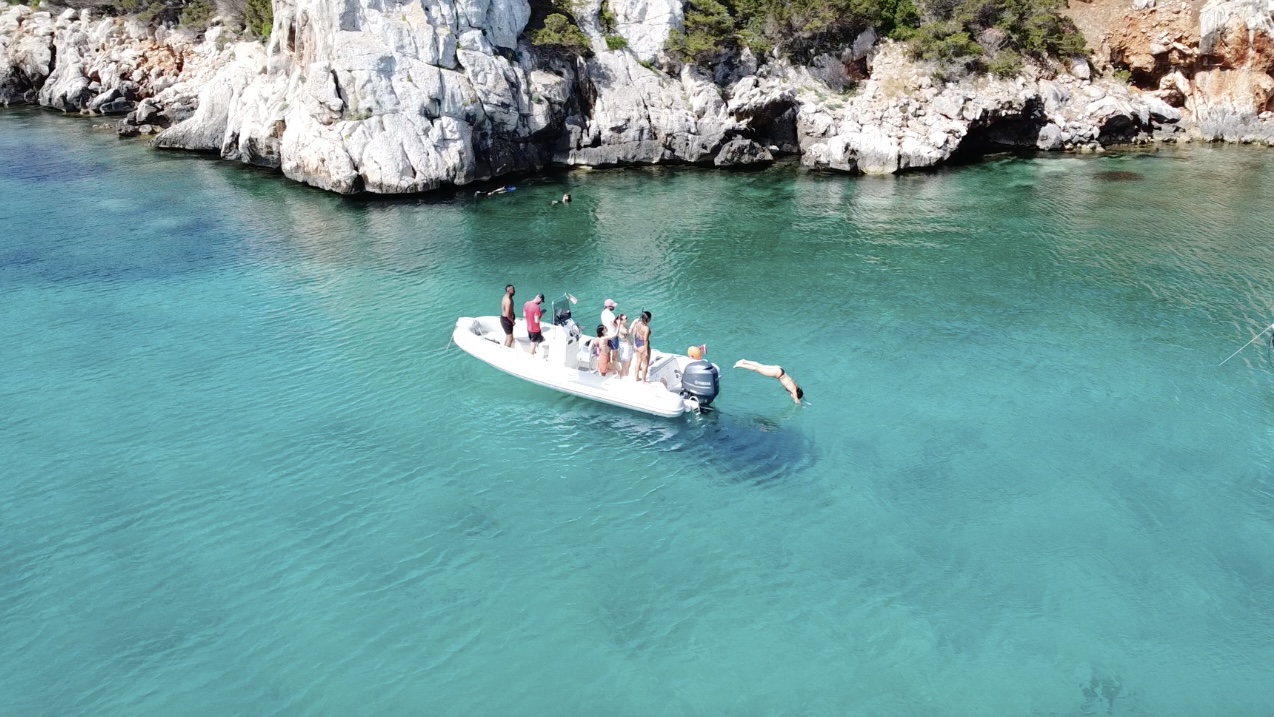
The name Alghero reminds us of a deep bond with the sea and with one of the most important plants in the marine ecosystem: Posidonia oceanica. This plant not only enriches the biodiversity of our waters but also plays a key role in protecting our coasts from erosion and improving water quality. Just in the Bay of Porto Conte, within the Marine Protected Area, there are around 600 hectares of this wonderful plant. Learning about and protecting Posidonia is an act of responsibility that helps preserve Sardinia’s marine environment and coastline for future generations.